A stroke is a life-changing event. You may have a lot of questions after a stroke. You may feel scared or nervous about what is happening with your health. You may wonder what happens next. This is normal. The journey is challenging and will require hard work toward a successful recovery.
Learning as much as you can about stroke and recovery will help you:
- understand what has happened (the stroke and what caused it)
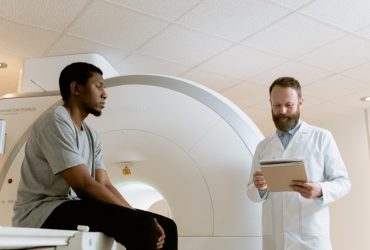
- know what to expect, including the tests you will need
- feel confident when talking with your health care team
- take your medications safely
- manage changes in your life
- improve your overall health and recovery
- reduce your risk of having another stroke
What is a stroke?
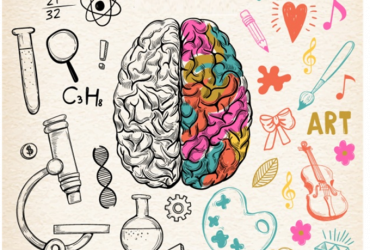
A stroke is an injury to a part of the brain. It happens when something goes wrong with the flow of oxygenated blood to the brain. Blood that does not start flowing back to the brain within minutes can cause damage to the brain and the parts of the body it controls. The effects of a stroke depend on which part of the brain was damaged and by how much. The treatment for stroke will depend on the type of stroke you had.
There are two main types of stroke:
1. Ischemic stroke
Ischemic strokes are the most common type of stroke. They happen when an artery to the brain becomes blocked and stops the flow of oxygenated blood to the brain. Some treatments for acute ischemic stroke can include clot-busting drugs that dissolve the clot or using a stent retriever to remove the clot from the blocked blood vessel in the brain.

2. Hemorrhagic Stroke
A hemorrhagic stroke is less common. It is when an artery to the brain bursts or bleeds in or around the brain. Some treatments for this type of stroke can include surgery or taking certain medications to reduce the pressure on the brain. In both types, the part of the brain damaged by the stroke can affect how you think, see, move, feel and/or speak.
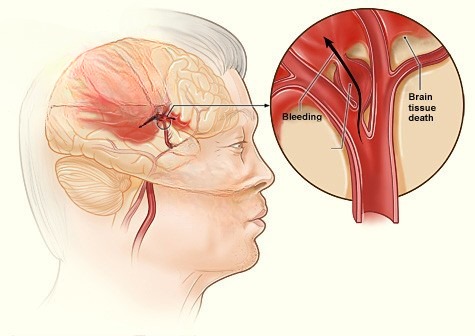
What happens during a stroke?
Blood brings oxygen and nutrients to the body. A burst or blocked blood vessel stops blood from reaching some parts of the brain. Blood that does not start flowing back to the brain within minutes can cause damage to the brain and the parts of the body it controls. The effects of a stroke will depend on where and how much of the brain was damaged and can affect how you think, see, move, feel and/or speak. Learn about the functions of the brain.
What is a Transient Ischemic Attack (TIA)?
Transient Ischemic Attack or TIA are sometimes called ‘mini-strokes.’ They are caused when there is a temporary stoppage of blood flow and oxygen to the brain. The symptoms are like a stroke but usually last for a few minutes or up to 24 hours. Symptoms of a TIA may include temporary:
- weakness or numbness
- slurred speech, or
- trouble seeing clearly
A TIA is an important warning sign of a possible stroke. It is a medical emergency that needs to be assessed by a doctor and treated right away.
Some strokes happen while people are asleep. If you wake up with any of the following symptoms or you think you are having a stroke, get medical help right away:
- numbness or weakness on one side of the body
- drooping of the face
- slurred or jumbled speech
- changes in vision, such as blurred or double vision
- sudden severe headache, usually with some of the other signs
- problems with balance
What are the risk factors of a stroke?
A stroke often happens without warning signs.
Once you have had a stroke or TIA, you are at higher risk of having another stroke. It is important that you work with your health care team to manage any medical condition that puts you at risk for stroke. You may need to make lifestyles changes to lower your risk of stroke. Below are a list of some things that make it more likely that someone will have a stroke:
- High blood pressure
- High cholesterol
- Poorly managed diabetes
- Unhealthy eating habits
- Drinking too much alcohol
- Smoking or using tobacco products
- Not enough exercise
- Atrial fibrillation (irregular heartbeat)
Risk factors for stroke can be divided into two categories: risk factors you can’t change (non-modifiable risk factors) and risk factors you can change (modifiable risk factors). Modifiable risk factors can be controlled by medications, medical treatment, or lifestyle changes. Non-modifiable risk factors cannot be changed.
Modifiable Risk Factors
- Hypertension
- Hypercholesterolemia
- Diabetes
- Atrial fibrillation
- Sleep apnea
- Being overweight or obese
- Physical inactivity
- Smoking
- Excessive alcohol and drug abuse
- Stress
Non-Modifiable Risk Factors
- Advanced age
- Gender
- Family and medical history
- Ethnicity
- Prior stroke or TIA
Signs of a stroke
Are there warning signs before a stroke happens?
For most people a stroke happens suddenly. The signs of a stroke are:
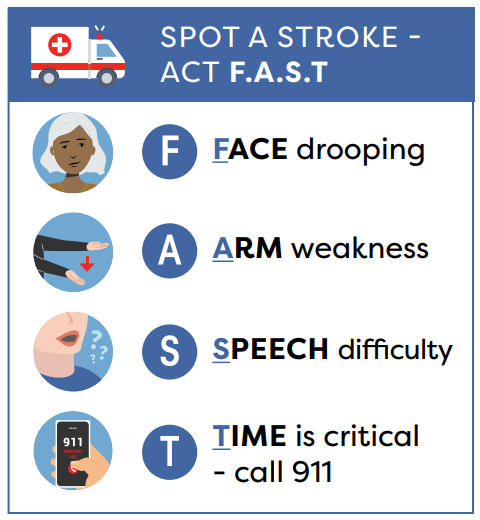
Stroke is a medical emergency. Spot a stroke – act F.A.S.T
If you notice any of these warning signs, call 911 right away!
Credit: Northwestern Ontario Regional Stroke Network