
Why do I feel so tired all the time?
Recovering from a stroke takes a lot of energy. It is very common to feel tired (fatigue) after a stroke, even if your stroke symptoms are very mild. Some people may have fatigue years after their stroke. Fatigue is not predictable and not always easy to explain.
It takes a lot of energy for your body to heal after a stroke. The tired feeling may be due to:
- changes to your brain from your stroke
- mental activity
- physical activity
The good news is that you should feel less tired with time.
Fatigue after stroke may look like:
- overwhelming tiredness and lack of energy to do your daily activities
- wanting to take more naps, rest or extended sleep
- feeling more easily tired compared to before your stroke
There are different ways to help you manage your fatigue and help you get back to your daily activities.
Watch this video on how stroke can affect sleep:
Video credit: National Stroke Foundation
What can I do now to have more energy?
Tips to help you conserve and manage your energy: the Four P’s
- Prioritize: choose tasks that are essential to get done and complete those tasks first. Save less important tasks for when you have fewer activities planned, or ask family or friends to help you.
- Plan: Schedule and spread out your activities that take a lot of energy (for example: grocery shopping, cleaning and exercise). Make sure that you rest in between these activities.
- Pace: Listen to your body when getting back to your daily activities. Start with small, low energy tasks. If you feel good after completing a small task, slowly build up the number of tasks and how much energy they take. Make sure to rest when you need to. You can also break larger tasks into smaller tasks.
- Position: Complete tasks in a sitting position if you want to save energy. You can also use aids, such as long-handled shoe horns and long-handled reachers to spend less effort on bending and reaching.
As your body gets stronger, you will have more energy. Some people feel tired for a long time. If you continue to feel tired, here are some helpful tips to manage fatigue. Here are some other tips to help you manage fatigue:
Take care of your body
- Eat a healthy diet
- Drink 6 to 8 cups of fluid every day
- Get a good night sleep
- Go to sleep and wake up the same time every day
- Take short breaks or naps if you need but save the longest sleep for nighttime
- Try to move around and do activities that feel okay for you. If you rest too much without moving, it can make your body weaker after a stroke
- Keep your stress levels low
Plan your days
- Track and schedule what you do during the day, or ask someone to help you
- Schedule in rest time
- Plan to do your activities when you have the most energy
- Make a daily to-do list and focus on the important things first
- Break up big tasks into smaller tasks. For example, preparing dinner can be broken down into 3 tasks and can be done at different times:
- decide on a recipe and ensure you have the right ingredients
- prepare ingredients such as washing and cutting up vegetables
- cook meal
If you are having trouble with sleep:
It is helpful to know what is “good sleep” and “poor sleep”, and how sleep affects your daily life.
Good sleep
- being able to fall asleep and sleep through the night
- vital to your recovery
- helps your brain heal
- gives your mind and body energy
Poor sleep
- trouble falling asleep or not being able to sleep through the night, makes you feel tired during the day
- can make it harder to concentrate or do things you enjoy
Try these tips to get a good night sleep:
Prepare your body:
- Avoid caffeine, alcohol and nicotine 6 hours before bed time.
- Finish dinner at least 3 hours before bed time.
- Drink enough fluid to keep you from waking up thirsty.
- Do not drink so much that you need to wake up to pee.
- Use the bathroom before getting into bed.
- Make a relaxing bedtime routine:
- start to wind down 30 minutes before your bedtime
- avoid using electronic devices during that time
- listen to soothing music, relaxing sounds and/or deep breathing exercises.
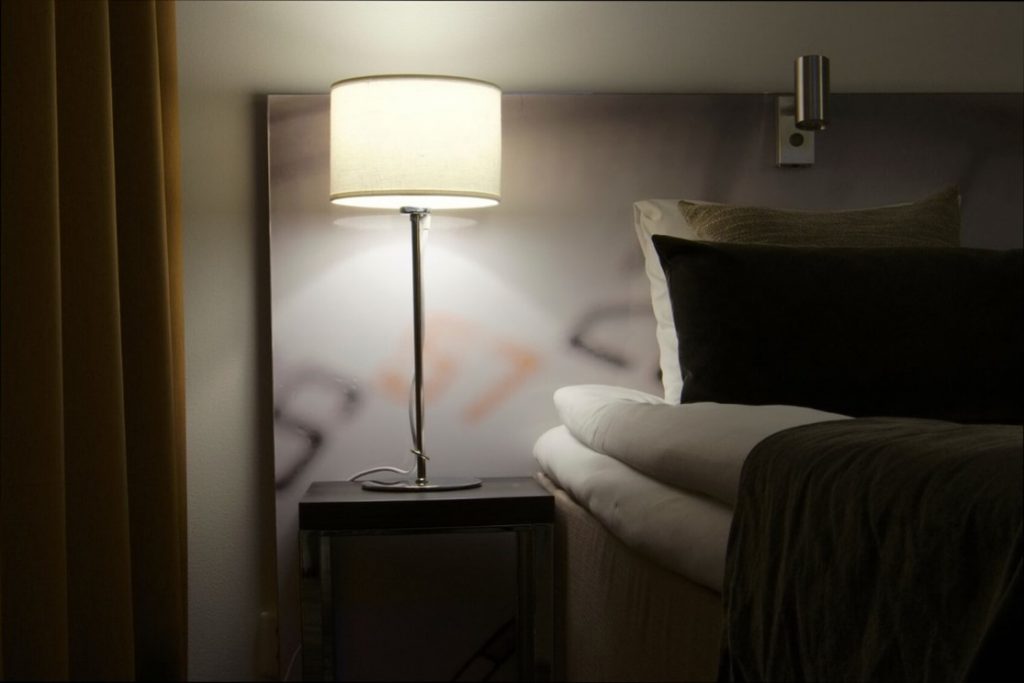
Prepare your bedroom:
- Make your room a relaxing space – minimize noise, light and distractions.
- Use comfortable bedding and positioning devices if needed (for example: use bolsters or pillows to support any affected limbs).
- Make sure to use the bathroom before you go to bed, and try not to drink too much water in the lead up to your bedtime if you sometimes have trouble controlling your bladder at night.
I have tried different things and still have trouble sleeping. What should I do?
Talk to your doctor if you have poor sleep. They can help you manage this.
Some things they may recommend include:
- Counselling and education on sleep strategies
- Therapy such as mindfulness meditation and cognitive behavioural therapy.
- Seeing a sleep specialist
- Medication
Watch this video on relaxation techniques:
Video credit: Patricia Fentie
Having read the information in this section, consider the following
- Do I have trouble sleeping?
- Am I worried, anxious or is my mind racing when I am trying to rest?
- Am I too tired to do the things I need to do or enjoy?
Where to get more information, help and support:
Hennick Bridgepoint Hospital – Mindfulness-based Stress Reduction Program