
How does a stroke affect the way I swallow?
A stroke can affect the muscles you use to chew and swallow. Muscles in your lips, tongue and throat may be affected and cause difficulties swallowing (called dysphagia). Some swallowing problems are easy to see like drooling, coughing or choking. Others may be harder to see such as food getting stuck in your throat. A speech-language pathologist helps people who have difficulty with swallowing.
Click here to see a video on how a stroke affects swallowing and tips on what can be done to help.
What are some common signs of trouble swallowing?
Watch for these common problems when eating and drinking after a stroke:
- coughing, throat clearing, choking or a wet gurgly voice while eating and drinking
- swallowing several times for each mouthful
- complaining of food sticking in the throat when eating or drinking
- holding food in the cheek or back of the mouth after swallowing (usually on the person’s weaker side)
- eating too quickly or too slowly
- taking a long time to finish a meal
- repeated lung or chest infections, such as pneumonia
- difficulty feeding themselves
- difficulty swallowing medicines
Are there exercises I can do to make my swallow stronger?
There are swallowing exercises that your Speech and Language Pathologist may recommend. Here are 3 different swallowing exercise videos:
- Video 1: How to make your swallow stronger
- Video 2: Keep the muscles in your mouth moving
- Video 3: Practice closing your wind pipe
For caregivers
Talk to your loved one’s healthcare team right away if you notice any of these signs. A speech-language pathologist can help your loved one how to manage feeding and swallowing.
There are many ways that families can help people with swallowing difficulties. Some ways to help are:
How can I prepare for safe eating and drinking?
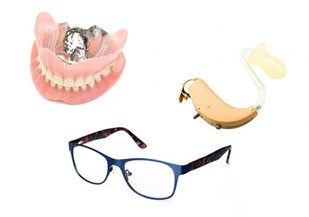
Put on all your daily aids including:
- Dentures
- Hearing aids
- Glasses
For the caregiver, help your loved one put on any aids they normally use.
Changing the feeding position
Sit up straight
- Sit the person straight with their head slightly forward and chin slightly down.
- If needed, use pillows to support them and to ensure they do not slide down in their chair or lean to their weak side when they eat.
- Sit at eye level and face the person you are feeding.
- Make sure the first bite or sip is swallowed before the next is given

Change the environment and set-up of meals

- Keep the person from becoming distracted when eating or drinking by:
- turning off the radio and television
- limiting the number of people talking during meal times
- Place food, cups and utensils close enough to help the person feed themselves.
Changing the texture of food and the thickness of drinks?

A registered dietitian can help you learn how to change food textures and drink thickness.
- Puree or blend food
- Mash the food with a fork
- Cut food into tiny pieces

Make things safer to drink by:
- Thickening drinks
- Replacing milk with pudding, replacing juice with apple sauce
Your Speech-Language Pathologist will let you know how thick your drinks need to be. They will also tell you how much thickener to use.
A Registered Dietitian can also:
- help you learn how to change food textures and drink thickness
- give you information about managing feeding tubes
If thin liquids are not safe, avoid ice cream, milk shakes, or Jell-O . These fluids melt into a thin liquid in the mouth.
Other caregiver tips for safer eating and swallowing
- Have the person eat and drink only when they are fully awake.
- Make sure that they wear their dentures, hearing aids and glasses at all meals.
- Make sure their mouth is clean before and after meals.
- Encourage them to take small bites and sips.
- Make sure the previous bite or sip is swallowed before the next is given.
- Watch for movement of the throat area to show the person has swallowed.
- Make sure they remain sitting up straight for 20 to 30 minutes after eating or drinking.
- Try to make eating or drinking a slow and relaxed experience.
- Talk to a health care provider if there is trouble with eating or drinking.
Having read the information in this section, consider the following
- Do I have trouble chewing or swallowing?
- Do I know ways to be safe when eating (for example: sitting up, clearing food from mouth)
- Do I need food softened, minced or pureed so I can swallow safely?
- Do I need drinks thickened so I can swallow safely?
- For the caregiver:
- Do I know how to safely assist with feeding?
Where to get more information, help and support:
Pharmacies — You can buy thickening powder at your local pharmacy.
Swallowing clinics — You may be referred to a swallowing clinic for assessment of your swallowing by a Speech-Language Pathologist.