
Why does it happen
Shoulder pain after a stroke is caused by weak or tight shoulder muscles.
The bones in your shoulder are held together with muscles. This is different from other parts of the body held together by strong ligaments.
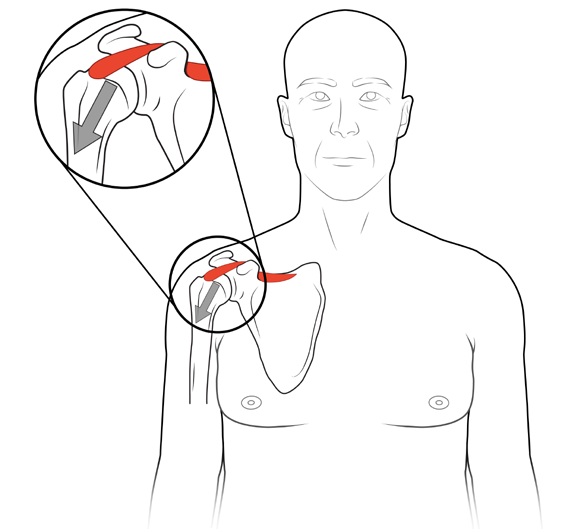
Shoulder pain caused by weak muscles:
When your shoulder muscles are weak or limp, the weight of your arm causes your shoulder joint to pull apart. This is called shoulder subluxation. The pulling on the joint causes pain.
How can I manage it?
If you have weak shoulder muscles, you may need to support your arm. Speak to your physiotherapist or occupational therapy to find the best strategy for you.
You may need to use a:
- special sling to support your arm (not a triangle sling)
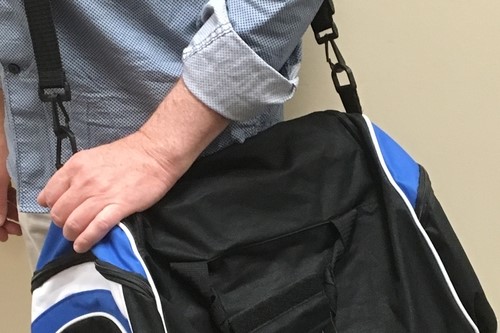
- shoulder bag
- your jacket or pants pocket
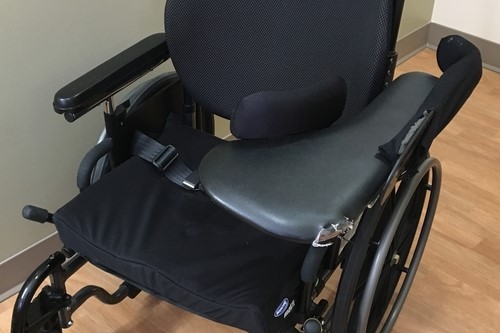
- an arm support for a wheelchair
Should pain caused by tight muscles:
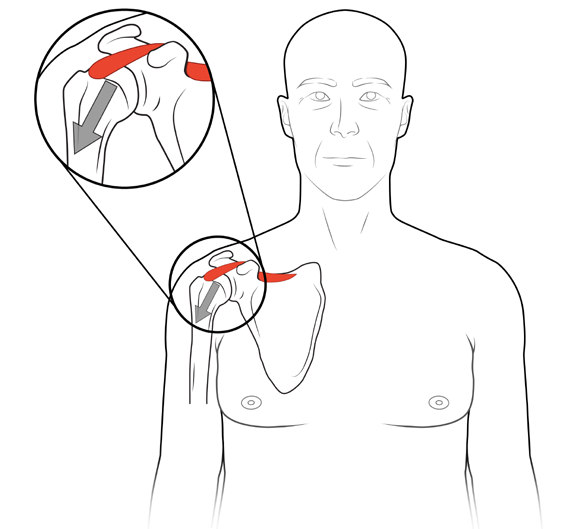
When your shoulder muscles are tight, they pull your shoulder joint in too close. This is called tone. This also makes your shoulder stiff and hard to move.
How can I manage it?
If you have tight shoulder muscles, you
can talk to a physiotherapist to learn how
to stretch and position your arm correctly. You may also need a doctor to refer you to a spasticity clinic.
The specialists at a spasticity clinic can
help:
- prescribe muscle relaxing medicines
- teach you exercises to help you move more easily
Some people have weak or tight muscles in other parts of the body too. This could also be painful. Some other place you may have pain are:
- Elbow
- Hand
- Leg
- Foot
Below are examples of how how a bag and arm tray can support your arm.
The following video offers tips on how to support your shoulder to reduce or avoid shoulder pain.
If you have tight shoulder muscles, you may need to go to a spasticity clinic.
At the clinic, the specialists can help:
- Prescribe some muscle relaxing medicines
- Teach you some exercises to help you move more easily
The clinic team may include a:
- Physiatrist (a doctor who specializes in rehabilitation medicine)
- Neurologist (a doctor who specializes in the brain)
- Nurse
- Physiotherapist
- Occupational therapist
- Kinesiologist
How do I get an appointment at a spasticity clinic?
Ask your doctor for a referral.
Do I need to pay for the spasticity clinic?
You do not need to pay for the clinic service. If you need medicines, you will need to pay for this. If you have private health insurance, they may pay for your medicines. Check with your insurance company.
Having read the information in this section, consider the following
- Do I have tightness or weakness in my muscles that is causing pain or limiting my movement?
- Does pain limit or stop me from doing the things I want to do?
- Do I know what to do if my pain gets worse, is more frequent, or lasts longer?
- Do I know what to do if my pain is causing other problems (for example: anxiety, memory problems, sleep issues)?
Where to get more information, help and support:
Silver Pain Centre
Hennick Bridgepoint Active Healthcare: Pain Management Program
Toronto Academic Pain Medicine Institute
Mount Sinai Hospital: Wasser Pain Management Centre
Toronto Western Hospital Comprehensive Pain Program